Affiliate disclosure: This page contains partner links. If you buy through one, we may earn a commission at no extra cost to you.
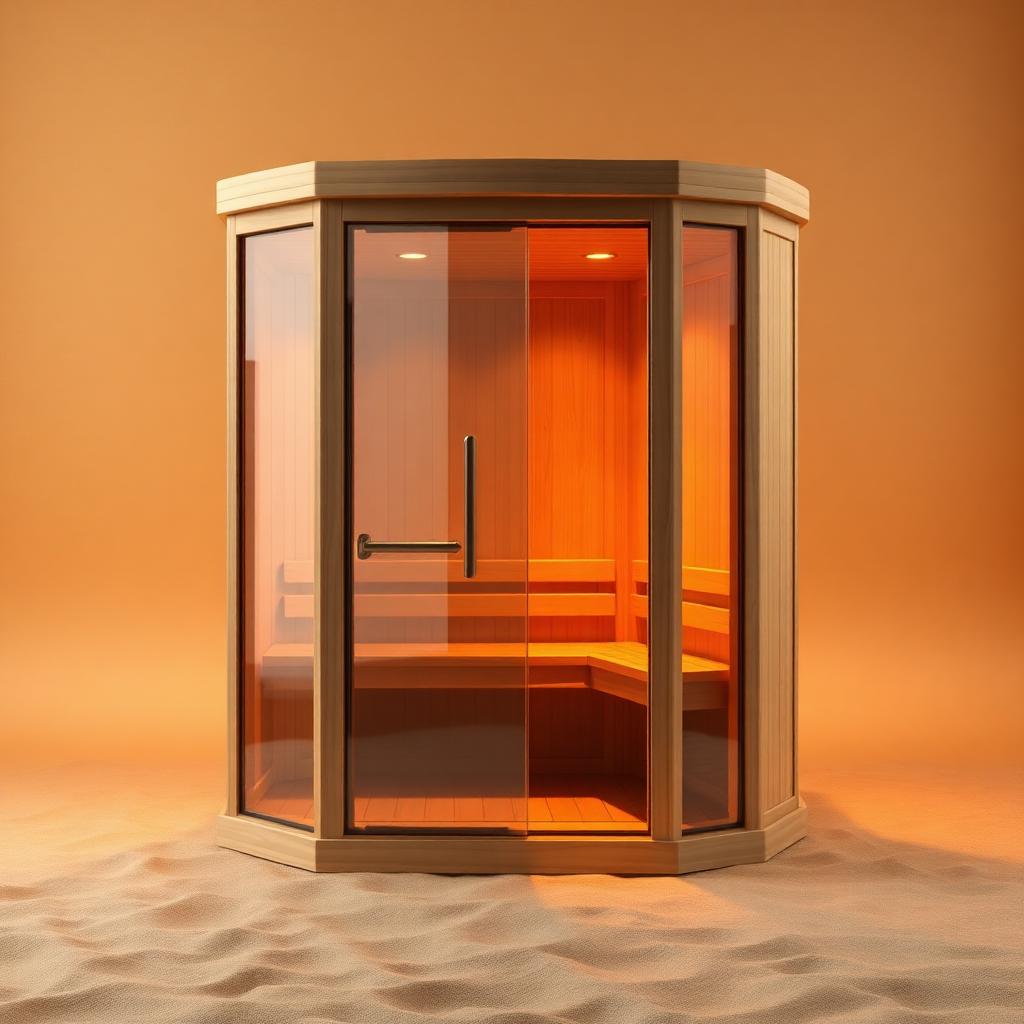
If you've ever sat in a Finnish sauna, you know infrared isn't quite the same thing. Traditional indoor saunas heat the air to 170 to 200°F, hold a tray of stones over an electric or wood-burning stove, and let you pour water for löyly, the bursts of humid steam that define the authentic experience. Below are the indoor traditional saunas we'd point most U.S. buyers toward in 2026, plus a clear-eyed breakdown of when steam beats infrared and when it doesn't.
Traditional vs infrared, in plain English
Trait
Traditional (steam)
Infrared
Air temperature
170 to 200°F
120 to 150°F
Humidity
10 to 60% with löyly
Dry, under 10%
Heat-up time
30 to 45 min
10 to 15 min
Session length
8 to 15 min
30 to 45 min
Power
6 to 9 kW, 240V dedicated
15 to 20A, often 120V
Authentic Finnish ritual
Yes
No, different category
Neither is "better." Traditional wins on heat, humidity, and ritual. Infrared wins on install simplicity, gentler sessions, and lower running cost. If you came here looking for steam and stones, this page is the right page. If you want something easier to live with daily, see our best infrared saunas.
1. Best Overall: Finnleo S1212 Traditional Sauna
Finnleo is the U.S. arm of Helo, Finland's largest sauna maker, and the S1212 is what most authentic-experience buyers end up with. Pre-built modular walls, clear all-heart western red cedar, and a Himalaya electric heater that gets you to a true 180 to 200°F with löyly that actually feels Finnish. You're paying for build quality, dealer support, and a heater that lasts decades, not a marketing story.
Who it's for:Buyers who want the real Finnish ritual at home and plan to use it for 15 to 20 years.
Pros
True high-heat, high-humidity löyly experience
Modular pre-built walls install in a day or two
Premium heater, full dealer network for parts
Cons
Premium price
Requires 240V circuit and proper ventilation
2. Best Value: Almost Heaven Bridgeport 4-Person Indoor Cabin
Almost Heaven makes traditional saunas in Renick, West Virginia, and the Bridgeport is their bestselling indoor cabin. Tongue-and-groove Rustic Western Red Cedar, a Huum or Harvia electric heater, and a price that undercuts the European brands by several thousand dollars. Owners consistently call out responsive U.S. phone support, which matters when a heater coil eventually needs replacing.
Who it's for:Buyers who want a real steam sauna without a five-figure budget.
Pros
Strong value for an authentic traditional cabin
Made in the U.S., responsive customer service
Choice of Huum or Harvia heater
Cons
Rustic-grade cedar shows more knots than premium clear cedar
Heater not included on some base configurations
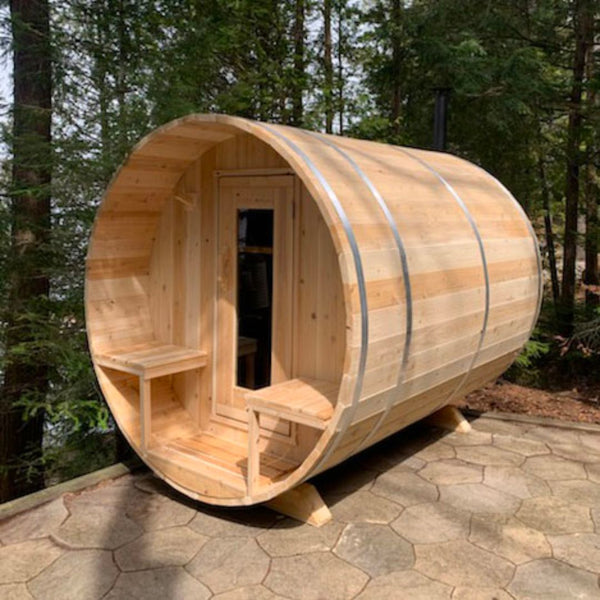
3. Best Wood-Fired: Dundalk CT Serenity 4-Person Wood-Fired Barrel Sauna
If you want the most authentic traditional experience and you have outdoor space, the Dundalk CT Serenity is the wood-fired barrel cabin most owners end up loving. Cedar staves, a real wood-burning Dundalk stove, and zero 240V install. The löyly off the wood-fired heater is something an electric heater simply does not match. Sold through Nordica as an authorized Dundalk Leisurecraft dealer.
Who it's for:Buyers with a backyard who want a true wood-fired Finnish ritual and no electrical work.
Pros
Authentic wood-fired löyly experience
No 240V circuit required
Built for year-round outdoor use
Cons
Requires outdoor space and clearance
Wood, ash, and chimney upkeep
What to look for in a traditional indoor sauna
Wood. Clear, all-heart Western Red Cedar is the gold standard. Nordic spruce and basswood are common in European cabins and hold up fine. Avoid pine for the interior; it weeps sap at sauna temperatures.
Heater. Look for Finnish-made heaters (Helo, Harvia, Huum, Tylö). U.S. brands like Polar typically OEM from these manufacturers. Match heater kW to room cubic footage; under-sizing is the most common owner regret.
Stones. A real löyly experience needs a generous stone tray. Skimpy heaters with a token bowl of rocks dry out the steam fast.
Ventilation. Passive intake low near the heater, upper exhaust on the opposite wall. A sauna without proper airflow gets stale fast and ages the wood unevenly.
Power. Most full-size cabins need a 240V, 30 to 40A dedicated circuit. Budget $400 to $1,200 for the electrician.
When traditional is the wrong call
A traditional indoor sauna is the right answer if you've used one before and miss it, if you want the high-heat humid ritual, or if you're building a dedicated wellness room with proper ventilation and 240V power. It's the wrong call if you're squeezing a sauna into a finished basement with no drain, if you plan to use it 30+ minutes at a time, or if you want plug-and-play install. In those cases, either an infrared cabin or a sauna blanket will serve you better.
How we picked
We focused on indoor traditional cabins available to U.S. buyers in 2026, with proven heater manufacturers (Helo, Harvia, Huum, Tylö), dealer or direct support that actually answers, and a track record of long-term owner satisfaction. We talked to owners with a minimum of one year of use, weighted real-world install experience over spec-sheet temperatures, and excluded any brand whose customer service track record we couldn't verify.