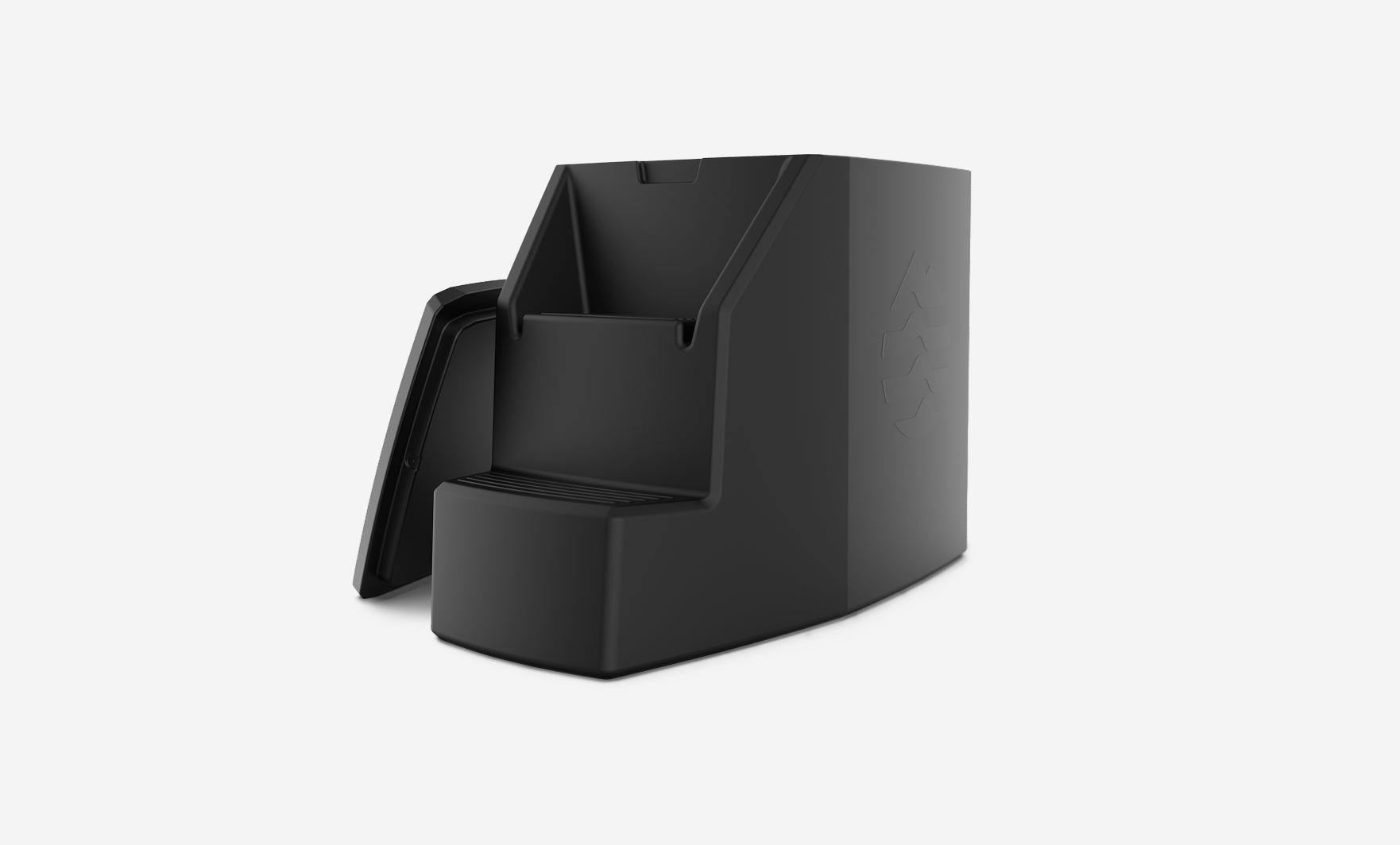
 Best Value
Ice Barrel
Ice Barrel 500
4.6
An upright, insulated barrel that saves floor space and holds water cold for hours with the lid closed. Built-in seat and steps.
42" upright · 94 gal · HDPE
Affiliate disclosure: This page contains partner links. If you buy through one, we may earn a commission at no extra cost to you.
You don't need a five-figure chiller to plunge daily. These barrels and upright tubs give you the real thing, durable, insulated, and comfortable, for a fraction of the cost. The trade-off is ice. If you're willing to manage that, here are our picks.
Best ValueAn upright, insulated barrel that saves floor space and holds water cold for hours with the lid closed. Built-in seat and steps.
42" upright · 94 gal · HDPE
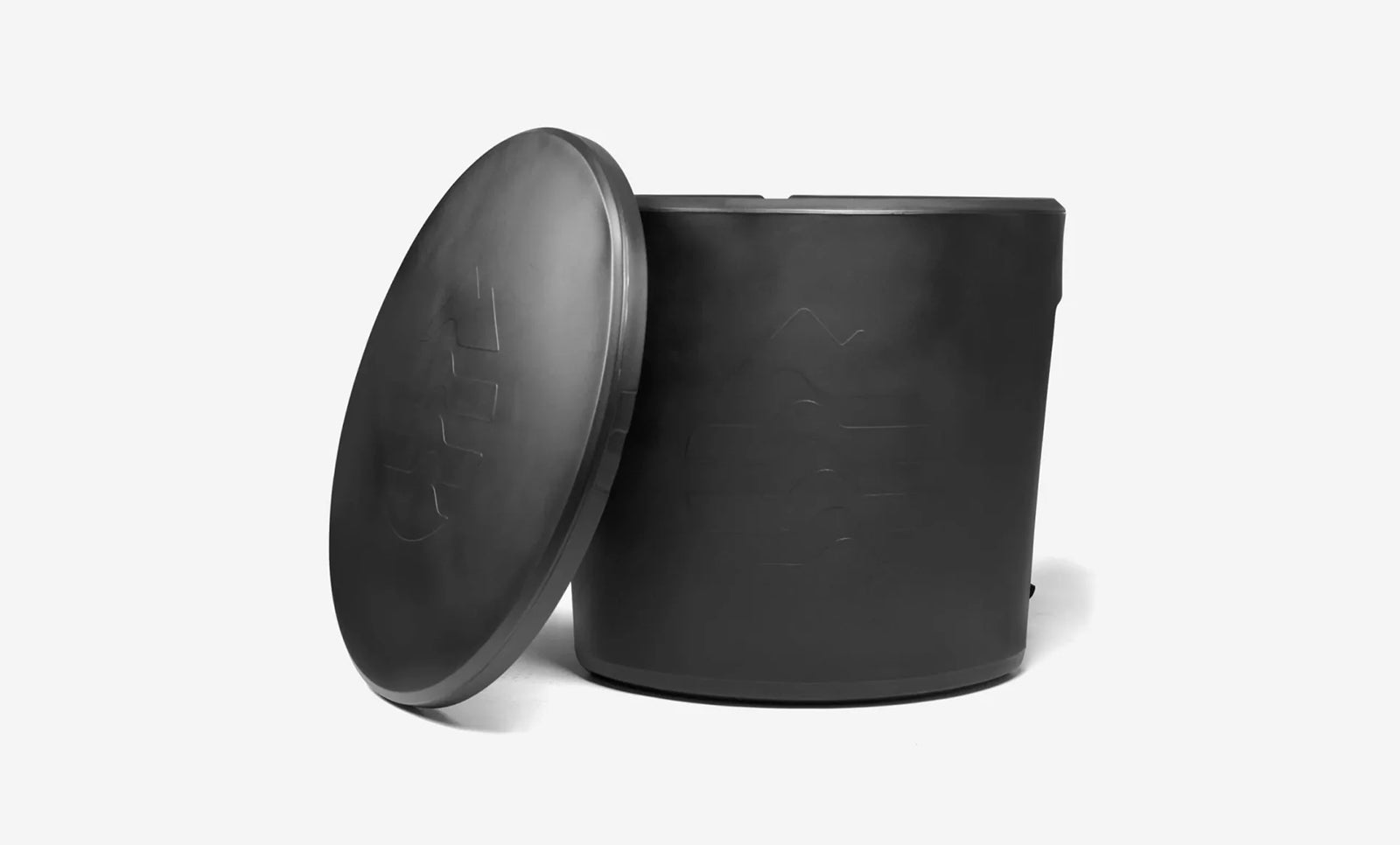 Best Budget
The lightest, easiest way into cold plunging, light enough for one person to reposition when empty.
Lightweight · easy to move
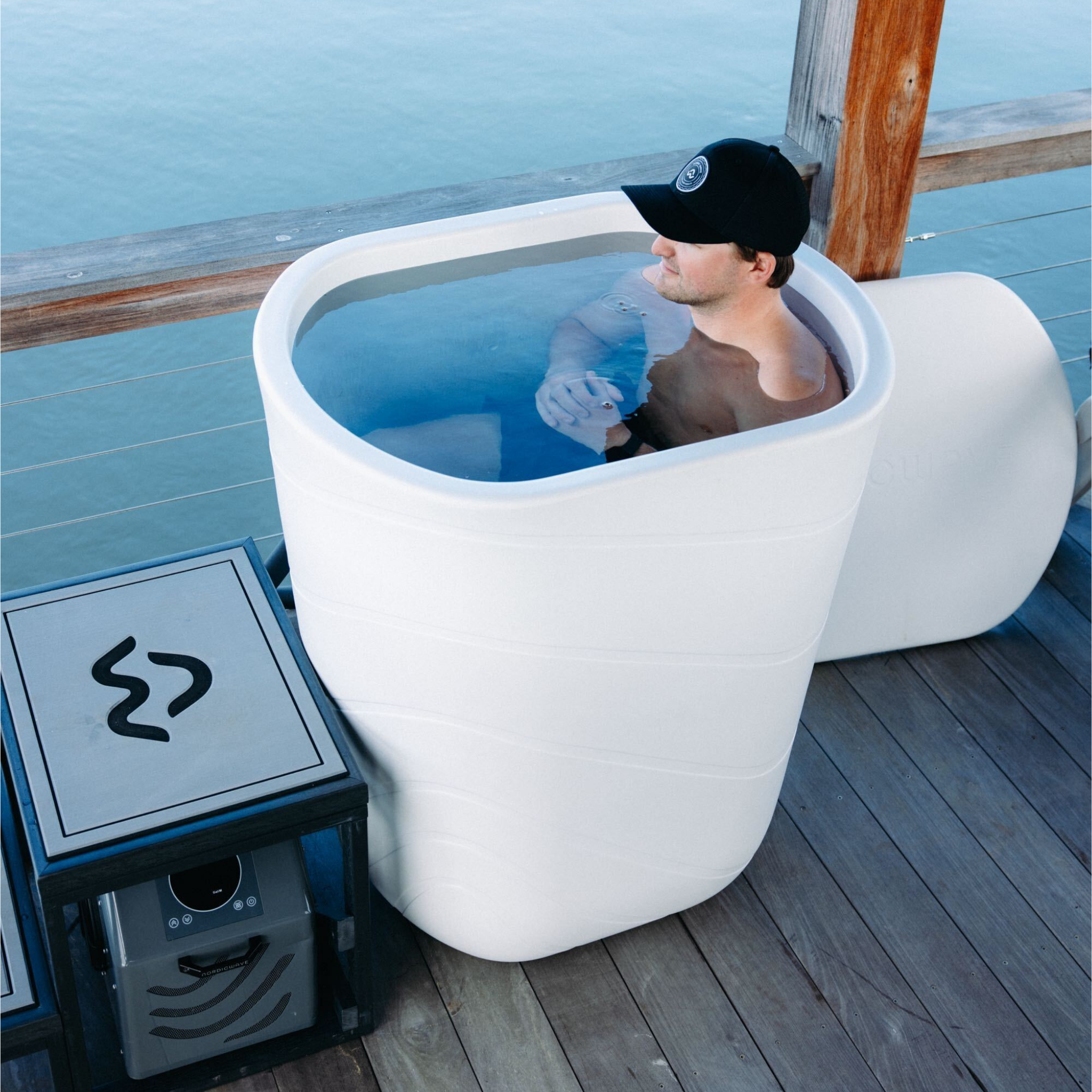 Best Upright
Upright and space-saving, the seated vertical position makes breathwork noticeably easier in a natural breathing posture.
Upright · space-saving
| Pick | Product | Rating | Key spec | Standout | |
|---|---|---|---|---|---|
| Best Value |
Ice Barrel 500
Ice Barrel
|
4.6
|
42" upright · 94 gal · HDPE | Best compact upright | Check Price |
| Best Budget |
Ice Barrel 300
Ice Barrel
|
4.5
|
Lightweight · easy to move | Best lightweight starter | Check Price |
| Best Upright |
Nordic Wave Viking 2
Nordic Wave
|
4.4
|
Upright · space-saving | Best for breathwork posture | Check Price |
Be honest with yourself before you order. The thing a $1,200 barrel gives up versus a $7,500 chiller tub is not the cold, both will get you to 45°F. What you give up is automation. With a chiller you wake up, walk over, lift the lid, and the water is already at your set temperature. With a barrel you either keep a freezer stocked with bagged ice or you make a weekly Costco run, and you accept that on the second session of the day the water won't be as cold as the first. You also give up filtration: most budget barrels rely on you draining and refilling every couple of weeks instead of a 24/7 pump-and-filter loop. If you plunge alone, three times a week, that trade-off is invisible. If you have a partner who also plunges and you want to share the tub on the same morning, the lack of automation starts to chafe.
Plan for 10 to 20 lb of ice per session in a 70 to 90 gallon insulated barrel, depending on starting water temperature and ambient air temp. At roughly $3 to 6 per bag of bagged ice, that's $90-$180 a month if you plunge daily. A chest freezer with stackable silicone molds drops that to the cost of running the freezer, roughly $8-$15 a month, and pays for itself in three to four months if you plunge most days. The chest-freezer-plus-molds setup is the upgrade most owners make in their first six months, and it's the single biggest reason a budget plunge becomes a long-term keeper instead of a discarded experiment.
If three or more of the following are true, don't buy a barrel, save another six months and get a chiller tub instead. You plan to plunge twice a day. You'll share the tub with a partner or roommates on the same morning. You live somewhere with ambient temps above 85°F most of the year, which destroys ice efficiency. You travel for work and won't be home to manage ice runs. You hate fussy routines and will quietly stop plunging the first month you forget to restock the freezer. A chiller is set-and-forget; a barrel is a small daily ritual. Pick the one that matches who you actually are at 6 a.m.